
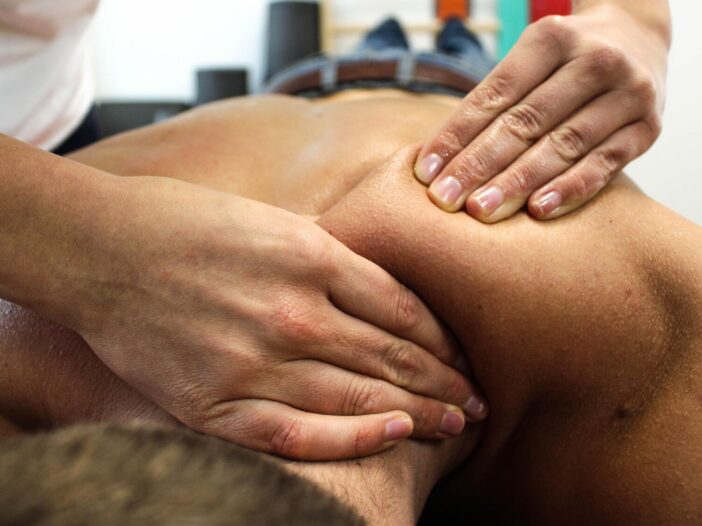
A healing scar benefits from well-hydrated skin, which keeps the tissue flexible and supports smoother recovery. Sun protection and strong post-surgery nutrition also help scars heal evenly and maintain healthier skin structure. Early scar tissue massage and support from trained therapists help loosen tight fibers and guide smoother healing.
Fact.MR projects that the U.S. scar treatment market may grow by $1.23 billion between 2025 and 2035. Growth reflects a rising number of Americans seeking better ways to manage surgical and injury scars.
Many people now look for treatments that improve comfort, movement, and the appearance of healing skin. Learning simple care habits helps support healing and improve skin texture over time.
What Type of Massage Is Best for Recovery?
Scar massage, myofascial release, and lymphatic drainage often support recovery after injury or surgery. Therapists use gentle pressure and slow movements to:
- Loosen tight collagen fibers
- Improve circulation
- Reduce tissue stiffness
- Increase skin flexibility
- Support healthy scar movement
Many providers also apply healing massage techniques that help restore flexibility and ease tension around the scar. To learn more about massage options for recovery, consult experts like Allen Therapeutic Massage. Our team can evaluate your scar and recommend safe care.
What Not to Do to a Scar?
Many people unknowingly follow habits that slow healing or worsen the appearance of a scar. Common mistakes include:
- Picking at healing skin
- Scratching irritated scar tissue
- Skipping daily moisturizing care
- Ignoring sun protection outdoors
- Stretching skin too early
- Using harsh skin products
Healing skin needs gentle care and patience during recovery. Repeated irritation can cause thickening, discoloration, or discomfort around the area. Learning simple post-surgery recovery tips helps protect delicate tissue and supports smoother healing over time.
5 Ways to Heal Scars
A visible scar can affect how your skin feels, moves, and appears over time. Tight tissue may restrict movement or cause discomfort during daily activities.
Many people also feel self-conscious about scars in visible areas. Fortunately, the following care habits help support healing and encourage healthier skin recovery.
1. Keep Skin Hydrated
Hydrated skin remains more flexible during healing and helps reduce stiffness around scar tissue. Moisturizers protect fragile skin and help maintain elasticity as new tissue forms. Regular hydration encourages circulation and supports long-term skin tissue improvement in the healing area.
Consistent moisturizing also helps prevent dryness that may cause itching or irritation. Healthy skin creates a better environment for scar recovery and a smoother texture.
2. Protect From Sun Damage
Sun exposure can darken healing scars and make discoloration more noticeable during recovery. Newly healed skin reacts to sunlight and often develops uneven tone or lingering pigmentation. Protective measures that help maintain a more balanced skin tone around a healing scar include:
- Protective clothing
- Wide-brim hats
- Broad-spectrum sunscreen
- Shade during peak sun
- Scar-friendly silicone sheets
Limiting direct sunlight protects delicate tissue from irritation and dryness. Consistent sun protection encourages gradual skin tissue improvement and helps the scar blend more naturally with surrounding skin over time.
3. Prioritize Post-Surgery Nutrition
Your body uses nutrients to repair tissue and rebuild damaged skin layers. Balanced meals rich in protein, vitamins, and minerals support collagen production and strengthen healing skin. Foods that contain vitamin C, zinc, and healthy fats help repair damaged tissue.
Strong nutrition also supports energy levels during recovery and improves your body’s ability to heal. Healthy nutrition contributes to broader therapeutic massage benefits when massage becomes part of your recovery routine.
4. Start Gentle Massage Early
Once the wound closes and healing progresses, gentle massage may support scar flexibility. Light pressure encourages collagen fibers to reorganize and move more freely. Gradual massage movements help reduce stiffness and improve comfort during everyday motion.
Many therapists introduce massage as part of early recovery care to maintain tissue mobility. Simple movements performed regularly help the scar soften over time. Gentle pressure also improves circulation and supports healthy tissue remodeling during healing.
5. Seek Professional Therapy
Some scars respond best to specialized treatment guided by trained professionals. Deep surgical scars or areas with restricted movement may benefit from expert care. Licensed therapists understand how scar tissue interacts with surrounding muscles and connective tissue.
Through professional massage therapy, therapists apply targeted techniques designed to improve:
- Mobility
- Comfort
- Tissue flexibility
- Circulation
Professional guidance also helps you learn safe techniques for continued care at home. Expert support ensures your recovery plan remains safe and tailored to your healing progress.
Frequently Asked Questions
How Long Does a Typical Scar Take to Fade?
Scar fading depends on these factors that influence how the skin repairs damaged tissue:
- Injury depth
- Skin type
- Daily care during recovery
- Scar location on the body
- Overall skin health
Many scars begin softening within three to six months after wound closure. Collagen fibers continue to remodel for up to one year or longer. Color often shifts from red to pale during this period.
Does Age Affect How Well Scars Heal?
Age influences how skin repairs damaged tissue and forms new collagen after injury. Younger skin produces collagen faster, which can lead to thicker or raised scars.
Older skin heals more slowly and often forms flatter scars. Reduced elasticity also affects tissue strength. Balanced nutrition, skin care, and protection help support healing at any age.
Can Exercise Influence Scar Flexibility and Appearance?
Exercise influences circulation and tissue movement around healing scars. Light movement helps prevent stiffness in surrounding muscles and connective tissue. Improved blood flow supports oxygen delivery to repairing skin layers.
Gentle stretching also helps maintain flexibility around the scar. Careful activity choices protect healing tissue and support gradual improvement in scar comfort and mobility.
Scar Tissue Massage for Better Healing
Healthy scar recovery depends on steady care, protection, and proper skin support. Scar tissue massage helps loosen tight collagen fibers and supports smoother movement in healing skin.
At Allen Therapeutic Massage, we offer customized sessions focused on pain relief, mobility, and recovery. We opened in June 2021, bringing nearly five years of hands-on massage experience to the Allen community. Our team provides targeted medical massage designed to address tension, injury recovery, and scar care.
For only $95, you can become a member and enjoy savings on every massage session. Book an appointment today to experience personalized care in Allen, Texas.