
Neuromuscular therapy is a targeted approach to relieving pain by addressing the root cause of muscle tension, nerve compression, and movement dysfunction. By focusing on specific trigger points and muscle imbalances, this method supports lasting relief, improved mobility, and overall wellness.
More people are turning to specialized pain relief therapies as muscle-related discomfort becomes increasingly common in daily life. Recent studies show that 25% of the US population has chronic pain. Whether caused by repetitive strain, injury, or chronic tension, these issues often require more than general massage to fully resolve.
At Allen Therapeutic Massage, sessions are designed to go beyond surface-level relaxation. Targeted care helps restore balance, reduce pain, and improve how your body moves every day.
Understanding how this therapy works is the first step toward a more comfortable and active lifestyle.
What Is Neuromuscular Therapy?
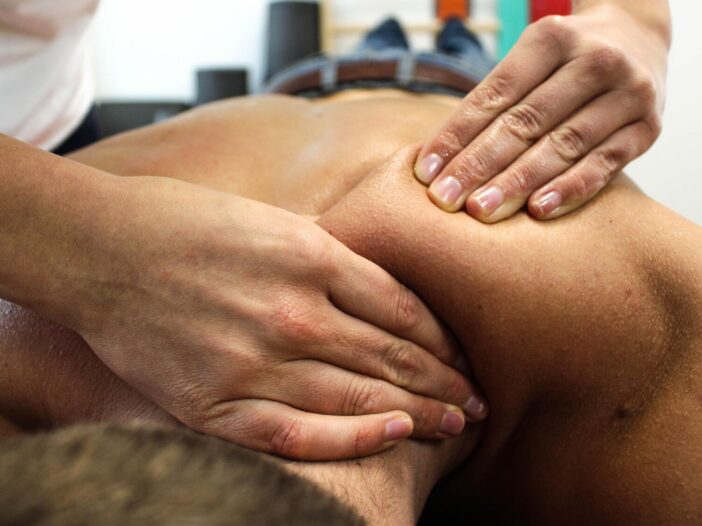
Neuromuscular therapy focuses on identifying and treating trigger points, which are tight areas within muscles that cause pain locally or in other parts of the body. These points often develop from stress, overuse, or injury.
Unlike general massage, this approach uses precise pressure and structured therapeutic massage techniques to release tension and restore proper muscle function.
It targets the source of discomfort, not just the symptoms.
Therapists assess posture, movement patterns, and muscle imbalances to create a treatment plan tailored to each client. This level of precision makes neuromuscular therapy especially effective for ongoing discomfort and restricted movement.
How Neuromuscular Therapy Supports Pain Relief
Muscle pain often stems from underlying dysfunction rather than a single sore spot. Tight muscles can compress nerves, limit circulation, and affect how the body moves.
Neuromuscular therapy addresses these issues directly by:
- Releasing trigger points
- Improving blood flow
- Reducing nerve compression
- Restoring muscle balance
- Supporting natural healing
These methods make it one of the most effective pain relief therapies available for chronic discomfort. Many clients notice reduced tension and improved movement after just a few sessions.
For additional support, therapists may also apply healing massage techniques that enhance relaxation while targeting deeper muscle layers.
Key Benefits of Neuromuscular Therapy
The benefits of neuromuscular therapy go beyond temporary relief. This approach helps correct the patterns that contribute to ongoing discomfort.
Clients often experience:
- Reduced chronic pain
- Improved range of motion
- Better posture and alignment
- Enhanced circulation
- Faster recovery from strain or injury
Consistent sessions can transform how your body feels and performs over time.
By improving muscle function, neuromuscular therapy supports long-term muscle pain management rather than short-term relief alone.
Who Can Benefit From Neuromuscular Therapy?
This therapy is ideal for individuals dealing with persistent muscle discomfort, limited mobility, or stress-related tension. It is commonly used to address:
- Neck and shoulder tension
- Lower back pain
- Repetitive strain injuries
- Postural imbalances
- Sports-related muscle fatigue
It also works well for those seeking a more focused approach to integrative body wellness. Rather than treating isolated symptoms, neuromuscular therapy considers how the entire body functions together.
When muscles work in balance, the body moves more efficiently and comfortably.
What to Expect During a Session
A neuromuscular therapy session begins with an assessment of your symptoms, movement, and muscle patterns. This helps identify areas of tension and dysfunction.
Therapists then apply targeted pressure to specific points using controlled, steady techniques. The intensity may vary depending on the area being treated and your comfort level.
Sessions often focus on:
- Trigger point release
- Deep tissue work
- Stretching and mobility support
- Postural correction techniques
Each session is tailored to your body’s needs, making the results more effective and longer lasting.
To prepare for your visit, you can review tips on choosing a therapist and finding the right fit for your goals.
How Neuromuscular Therapy Fits Into Long-Term Wellness
Neuromuscular therapy is not just a short-term solution. It plays an important role in maintaining long-term physical health and mobility.
Regular sessions help prevent tension from building up again, especially for individuals with physically demanding routines or sedentary lifestyles.
When combined with other therapeutic massage techniques, this approach supports a balanced and sustainable wellness routine.
Ongoing care helps your body stay aligned, resilient, and ready for daily activity.
Frequently Asked Questions
Is Neuromuscular Therapy Painful?
Some areas may feel tender during treatment, especially where trigger points are present. This sensation is typically manageable and often described as “good discomfort.”
Therapists adjust pressure based on your comfort level. Most clients find that any temporary discomfort leads to noticeable relief after the session.
How Many Sessions Do I Need to See Results?
The number of sessions depends on the severity of your condition and your treatment goals. Some clients notice improvement after one session, while others benefit from a series of treatments.
Consistent care often produces the best results. Your therapist can recommend a plan based on your specific needs.
Can Neuromuscular Therapy Help With Chronic Pain?
Yes, this therapy is commonly used for chronic pain conditions related to muscle tension and nerve compression. By targeting the underlying cause, it can provide longer-lasting relief.
It is especially effective when combined with ongoing muscle pain management strategies. Regular sessions can help reduce flare-ups and improve daily comfort.
Is Neuromuscular Therapy Different From Deep Tissue Massage?
Yes, while both involve deeper pressure, neuromuscular therapy is more precise. It focuses on specific trigger points and muscle patterns rather than general tension.
This targeted approach often leads to more effective and lasting results. It is designed to correct dysfunction, not just relieve tightness.
Experience Targeted Relief That Lasts
Neuromuscular therapy offers a focused approach to relieving pain, improving movement, and supporting long-term wellness. Addressing the root cause of discomfort helps your mind and your body function more efficiently every day.
At Allen Therapeutic Massage, we provide customized sessions designed to restore balance and promote recovery. Since opening in June 2021, our team has brought years of hands-on experience to the Allen community, delivering care that supports pain relief, mobility, and overall wellness.
For only $95 (the price of one massage), you can become a member and enjoy savings of $10-$35 on every session. Book an appointment today and start your journey to better movement and lasting relief.